
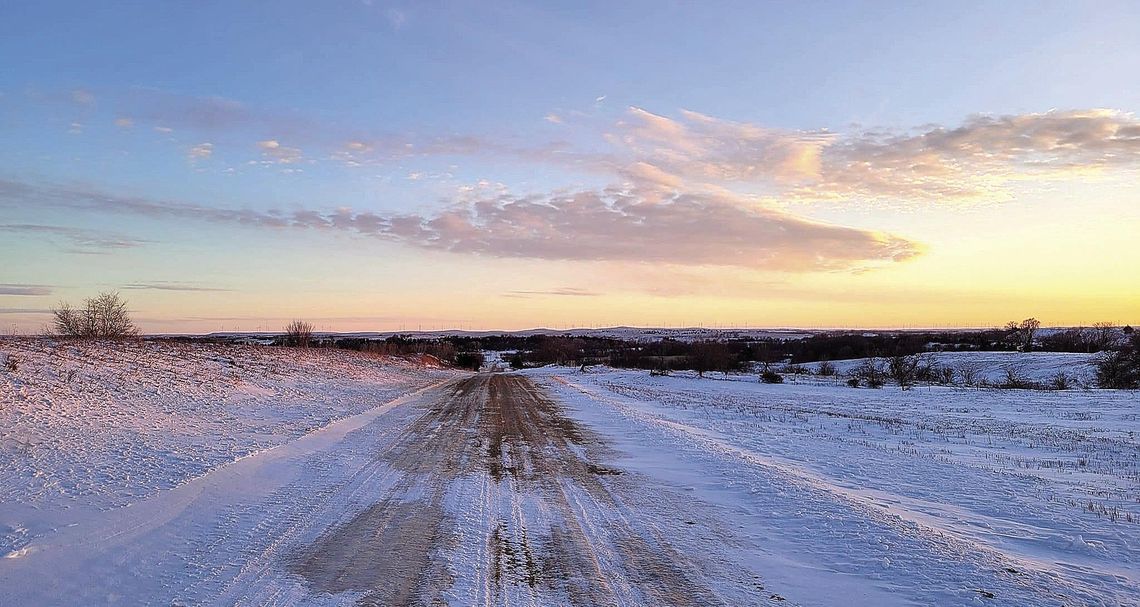
Two big snows in as many weeks have Lincoln County reeling. With some areas of the county checking in with up to nine inches of snow from the January 9 storm, we have had just enough since then to keep the ground covered.
Snow is not the issue in Lincoln County and much of the country. The actual temperatures are as low as we’ve seen them for quite some time. Factor in the wind chill and it is colder than places we expect to be cold. When the low in Lincoln County is -11 and the high is 5+ and the low in Juneau, AK is 23 with a high of 29, there is definitely something wrong here. It could be worse. Seriously. You could be in Bismarck, ND where the high is -9 with a wind chill value as low as -30.
What is happening is a blast of arctic cold air is plunging into the U.S., threatening to smash several cold records during January.
If that weren’t enough, dangerously cold wind chills are also beginning to creep in, especially in the Northern Plains and Rockies. Montana saw a wind chill of -43 on Friday, Jan. 12, and Dickinson, ND registered a -66-degree wind chill early Saturday (Jan. 13) morning. Further away from home, Lupin, in Canada’s Northwest Territories measured a wind chill Saturday morning of -77, with a 40-mph wind accompanying temperatures in the -30s. and even more brutal temperatures plagued Dickinson, ND.
These temperatures are expected to continue through the last full week of January, and into February. Another blast of frigid air is anticipated Jan. 20-21 so button up your overcoat and get ready for a few more weeks of these lower temperatures. Here are a few tips to prevent the cold from taking over your life.
Leave your indoor water pipes, both hot and cold, on in a light stream. The suction will help prevent the pipes from freezing. Opening both valves will help avoid pipe bursting.
Bring any articles left in your vehicle indoors. Musical instruments, especially those made of wood, should not be left in the vehicle. The wood can warp, crack or split and the strings can tighten or snap. Repairs could be costly, and sometimes the damage is fatal to the instrument.
A standard 16.9-ounce bottle of water can freeze in 30 to 45 minutes when the temperature drops to 32 degrees Fahrenheit, and it can freeze even faster at lower temperatures. The water expands as it turns to ice and can crack the plastic bottle, leaving you with a wet mess to clean up when it melts. Imagine if you kept a case of water in your car!
Canned soda is mostly water, so it poses the same risk as a frozen bottle of water. That said, a can or bottle of soda can withstand cold temperatures for a bit longer than water because the sugar content lowers the freezing point. But if the container cracks or bursts, it will cause an even bigger—and stickier— mess.
Bring your computers and chargers to the house with you. It’s bad enough that someone might break into your car to steal your electronic devices, but the cold can be almost as devastating. That’s because many of today’s gadgets contain lithium-ion batteries, which aren’t designed to endure the cold. Repeated freezing and thawing can cause condensation inside the unit, shortening its lifespan and potentially voiding your warranty. It’s ok, however, to leave your phone charging cable plugged in.
Many prescription drugs and over-the-counter medications lose their effectiveness when frozen. Take care not to leave medications in a cold car, especially insulin or other drugs that are in a liquid suspension, including eye drops and cough syrup. You may have a first-aid kit in your car that contains antibiotics or burn creams. These products may lose effectiveness in extreme cold. Many household cleaning supplies—including glass cleaners, dish soaps, and multi-surface cleaners—are high in water content, which means that frigid conditions can cause these liquids to swell and crack the bottle in the process. Other types of household cleansers, including laundry detergent and floor cleaners, contain surfactants and polymers that may separate or clump when exposed to the cold, reducing or eliminating their effectiveness. Bleach loses its effectiveness if it is stored at freezing temperatures for extended periods. Water-based and latex paints should never be stored in freezing temperatures because the ingredients in the paint can freeze, expand, separate, and clump, rendering the paint unusable for your next decorating project. Most canned vegetables and fruits are water-packed, which makes it just as risky to leave canned corn in the cold car as bottled water. Even if the can remains intact, the seals could break, allowing bacteria to get into the can and spoil the food. When in doubt, toss it out!
You may have heard that the alcohol content in beer and wine will prevent it from freezing. That’s not exactly true. Although it takes longer, alcohol will eventually freeze—wine at 23 degrees, and beer at around 21 degrees Fahrenheit. Once that happens, those bottles will be just as prone to cracking and breaking as any other vessel.
Mother Nature designs eggshells to keep harmful bacteria from damaging the precious cargo inside. But when eggs freeze, the shells will often crack, allowing germs to enter the eggs and cause them to spoil. Even if the shells do not appear to be cracked, eggs that have been frozen won’t look or taste like you’re used to—the yolks become thick, and the eggs don’t mix well with other ingredients.
Many people think of aerosol cans as fairly indestructible, but these handy containers for hairspray, spray paint, antiperspirant, lubricants, and other household products all come with temperature recommendations listed on the can that indicate that they shouldn’t get too cold. Exposure to freezing temperatures can cause aerosol cans to crack and explode, causing damage to the interior of your car and breaking windows. Aerosol cans are best when stored between 45- and 65-degrees Fahrenheit.
Those pricey prescription lenses or stylish shades you just shelled out big bucks for should never be left in a cold car, because the frames and lens are susceptible to cracking and warping when exposed to freezing temperatures (to say nothing of the potential for theft!). Extreme cold also can cause the frames to snap and can shorten the lifespan of any protective coating on the lens.
Can gasoline freeze in a car? If you live where it gets really, really, really cold, you shouldn’t carry full gas cans around in your vehicle. Depending on the specific blend of gas and additives, gas will freeze at somewhere around -40 to -180 degrees Fahrenheit. And while you might not live on a ranch in Montana (or in the Arctic Circle), there are further cold weather cautions to consider regarding gasoline.
Keep your car’s gas tank filled more than half-full in the winter to prevent the fuel lines from freezing. You also may want to keep an eye on the tire pressure, because a drop of 10 degrees in temperature can cause a 10 percent reduction of the air in your tires. And while you’re checking on fluids, make sure you top off the antifreeze and window washer fluids.
Products such as shampoo and conditioner, which have a high-water content, can suffer the same problems as household cleaners and paints. The texture, consistency, and viscosity of products such as foundation or face cream can be significantly altered by freezing and thawing. Additionally, freezing cold can alter enzymes by changing the chemical structures of certain proteins. In other words, that $100 wrinkle cream may not function as it should if you leave it in your car overnight.
Everyone knows by now how dangerous it is to leave pets in a closed car in the summer, when temperatures can rise to dangerous, even fatal, levels in a matter of minutes. Cold temperatures can be equally dangerous to our furry friends, because the temperature inside a parked car plummets quickly to match ambient temperatures outside the vehicle.
Pets can succumb to hypothermia quickly, collapsing or even sinking into a coma; danger signs include shivering, lethargy, pale or gray gums, stumbling or lack of coordination, fixed and dilated pupils, and low heart and breathing rates.
It should be a no-brainer, but babies, young children, and elderly people should never be left in a cold car. According to the Centers for Disease Control, infants, children, and the elderly are more susceptible to hypothermia, which can quickly cause symptoms including confusion, excessive shivering, exhaustion, heart arrhythmia, and even possibly a coma. Escort your loved ones inside with you.
The lithium-ion batteries in wireless headphones will drain a lot faster in the cold, so don’t expect them to fire up if you’ve left them in the car overnight. With wired headphones, cold temperatures can cause plastic insulation and rubber cables to become brittle and fragile. Solder points inside headphone jacks or USB connectors can break. As with other electronics, moisture condensation is a problem for headphones, too. (Cold weather can cause audio quality issues, as well.)
Keep yourself, you family and your home safe during this crazy winter weather by following these tips.