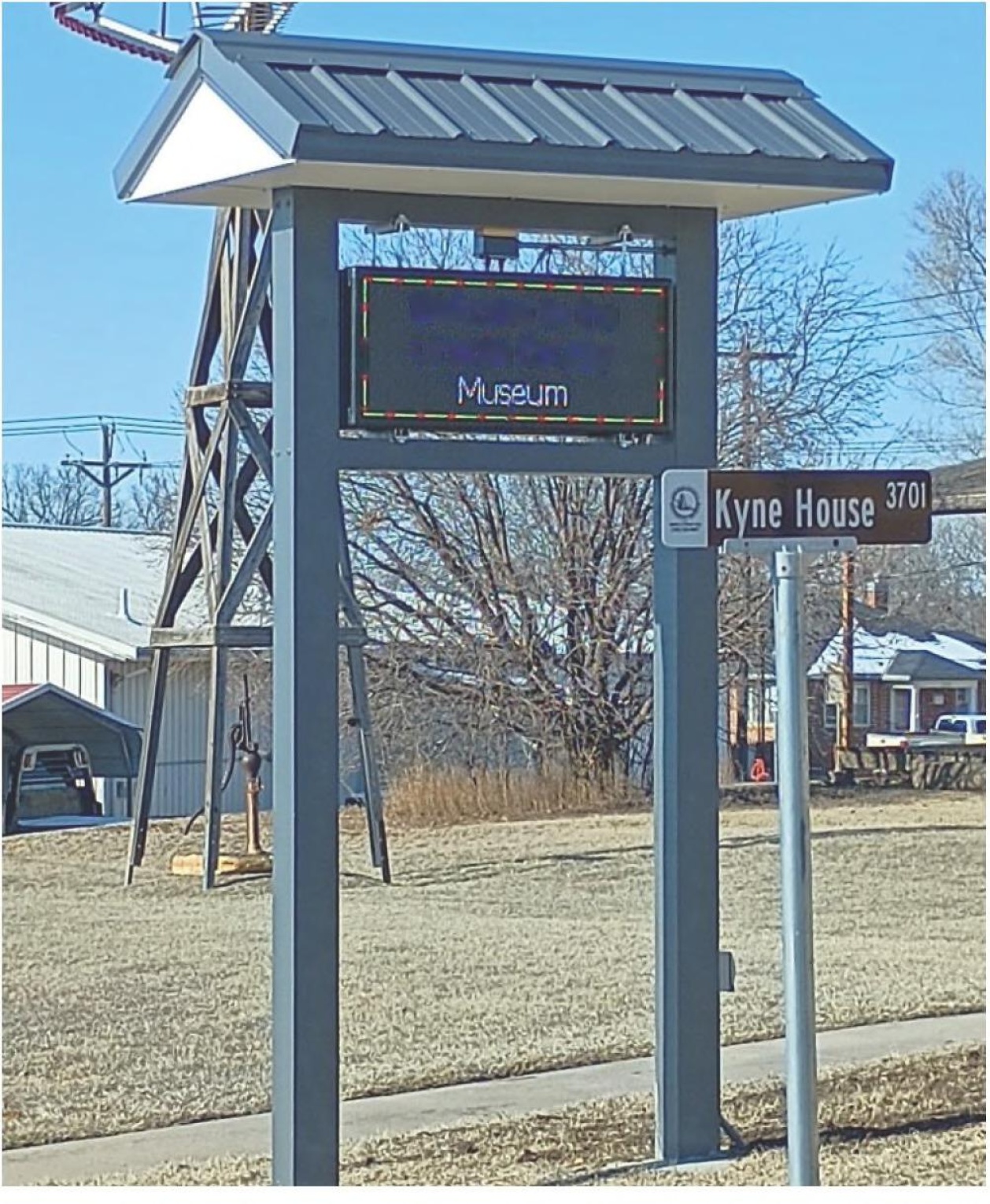
The historical society has more plans underway, inviting the community to join in celebrating local history On March 20 from 12 p.m. to 1 p.m. they will be hosting the Lincoln Area Chamber of Commerce’s What’s Up luncheon. The museum was closed for several weeks while staff and volunteers made improvements in reorganization of some of the exhibits. The Research Room has moved to a bigger room, providing space for reorganization and research. The Cooper Room has taken the space previously occupied by the Research Room. Additionally, artifacts have been moved from certain exhibits to more prominent spaces.
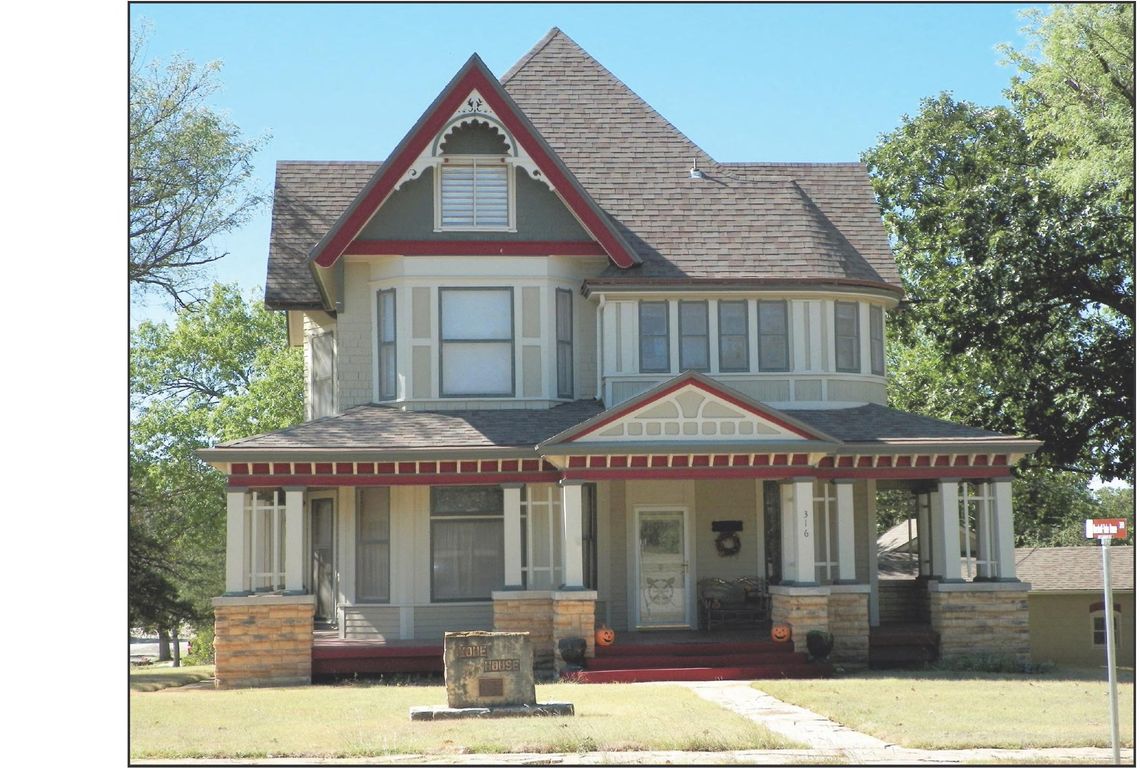
Director Dana Walters, along with the board of directors, have accomplished much in regard to community outreach, the last two events being well-attended within the community, including “Christmas at the Yohe House” and the Mystery Dinner Party, also held at the Marshall-Yohe House.
Another event, “Pie on the Porch” is a joint effort between the Historical Society and MarCon Pies. This event will occur the first weekend in May as part of the Big Kansas Road Trip and will be by freewill donation.
Additionally, a Mother-Daughter Tea is planned for May 19 from 1 p.m. to 3 p.m. A variety of finger sandwiches and desserts will be served. The cost for this event is $30.00 for two people in advance and $40 at the door.
Walters intends to continue community outreach as much as possible.
“This is their history,” she said. “We want the community to enjoy it.”
While community outreach is the topic of conversation, a situation has arisen concerning an important artifact at the museum that may be of interest to community members.
The “Mystery Stone,” believed to be prehistoric and European by nature, was discovered by Maurice Briand in 1919 on his farm near Beverly The stone is part of a limestone slab and is roughly 12 inches long, nine inches wide and two inches thick with hieroglyphic characters on its surface on one side.
In 1920, the stone was donated to KSHS where it was studied before storing it away, and never placed on display. The state archaeologist at the time, Tom Witty, declared the piece a worthy curiosity but believed it was too clean and too distinct to be of credible historical value.
Following extensive by Dean and Keith Jeffries, the stone was loaned to the Lincoln County Historical Society (LCHS) in 1993, where it has been on display since. Dean Jeffries concluded the artifact was carved by Europeans who traveled the area before the arrival of Columbus to the Americas in 1492.
Due to a federal regulation, any artifacts with connection to Indigenous People or with a ceremonial connection, must be registered on a federal database. Because the stone is owned by KSHS, and KSHS is in part funded by federal monies, it is being recalled for registration. Items donated directly to museums that are not federally funded are not included the ruling. For that reason, in order for the state to comply with these regulations, the stone must be returned to the state. Even though the stone has not been found to be from an Indigenous People, the State needs it to be returned. According to Chris Garst, an archeologist with KSHS, the origins of the tablet are unclear. The state does not agree with the original findings.
“However, if it is a grave good (marker) it needs to be assessed under NAGPRA and also State Unmarked Burial Laws,” said Garst.
Walters will be announcing a public meeting to discuss the transfer of the stone to the state. She believes the issue does not lie with the state, but at the federal level.
“I think if we want to keep the stone here, in the county where it was first found, the community needs to become involved by writing to our senators and members of Congress,” she said.
The public meeting time will be announced at a later date.